
Menu
-
-
Home Automation
- Home Automation Controllers
- Lighting & Appliance Controls
- Home Automation Sensors
-
Ventilation, Temperature & Flood Controls
- Ecovent Ventilation Controls
- Keen Home Ventilation Controls
- La Crosse Weather Reporting System
- Sensaphone Temperature/Flood
- Winland Temperature/Flood Reporting
- Ezlo Water/Flood Detection
- WaterBug Water/Flood Detection
- WaterCop Water/Flood Detection
- Specialty Water/Flood Detection
- Temperature & Heat Sensors
- Smart Irrigation Controllers
- Smart Thermostats & Ventilation Controls
- Drapery & Blind Opener Systems
- Window Opener Systems
- Door & Gate Opener Systems
- Garage Remotes & Controllers
- Smart Door Locks
-
Security
-
Home Intercom Systems
-
Specials
-
Audio/Video
-
Independent Living
-
Structured Wiring
-
More...
-
Our Brands
- 2GIG
- A&D Medical
- ABB
- Adorne
- Advanced Dynamics
- Aeotec
- Alfred
- American Hunter
- Applied Digital (ADI)
- AprilAire
- Aria Audio Technology
- Arlington Industries
- Applied Digital (ADI)
- AprilAire
- BackBoxx™
- Bellman & Symfon
- BlueSpray
- Cabletronix
- Caregiver Smart Home Automation
- Chamberlain
- Chief Manufacturing
- Cool Components
- Dakota Alert
- Danalock
- DataComm
- Data-Tronix
- D+H
- Displine
- DoorBell Fon
- DynaQuip Controls - Watercop
- Ecovent
- Elk Products
- Enbrighten
- Evolve Technologies
- Ezlo
- FirstAlert
- Flipper
- Flic
- GE
- GoControl
- Go Simply Connect
- Greenfield Direct
- Hamilton CapTel
- Home Controls In-House Exclusives
- HomeSeer
- Honeywell Home
- ION Digital
- Inovonics Wireless
- Interstate Batteries
- Intrasonic Technology (IST)
- Jasco
- KBSound
- Keen Home
- Kwikset
- La Crosse Alerts
- Letzgo Products
- Leviton
- Linear
- Linxura
- Lithe Audio
- Luxul
- Mail Chime
- MedReady
- myTouchSmart
- Napco Security Systems
- NETIO
- Nice North America
- NuTone
- OEM Systems Co.
- Presence Speakers
- On-Q By Legrand
- Open Sesame
- Optex
- Platinum Tools
- Powerline Control Systems
- Qolsys
- Resideo
- Risco Group
- Russound
- RYSE
- STI
- Sanus
- Satco
- Seco-Larm
- Security Door Controls (SDC)
- Sensaphone
- Sensative
- Serene Innovations
- Shelly
- Simply Automated, Inc. (SAI)
- Skylink
- Somfy Systems
- Sonic Alert
- Speco Technologies
- Stelpro
- Street Smart Security
- Structured Cable Products (SCP)
- TekTone
- Tripp Lite
- Truth Hardware
- U-Tec
- UCS
- USP
- Vera
- Versa
- VMP - Video Mount Products
- VSSL
- WeBoost
- Winland Electronics
- X10
- Yale
- ZTECH
- Shop By Compatibility
- Home Essentials
- Central Vac
-
Our Brands
-
- Orders
- Profile
- 1-858-693-8887
- Login
-
United States (USD $)
Add description, images, menus and links to your mega menu
A column with no settings can be used as a spacer
Link to your collections, sales and even external links
Add up to five columns
Add description, images, menus and links to your mega menu
A column with no settings can be used as a spacer
Link to your collections, sales and even external links
Add up to five columns
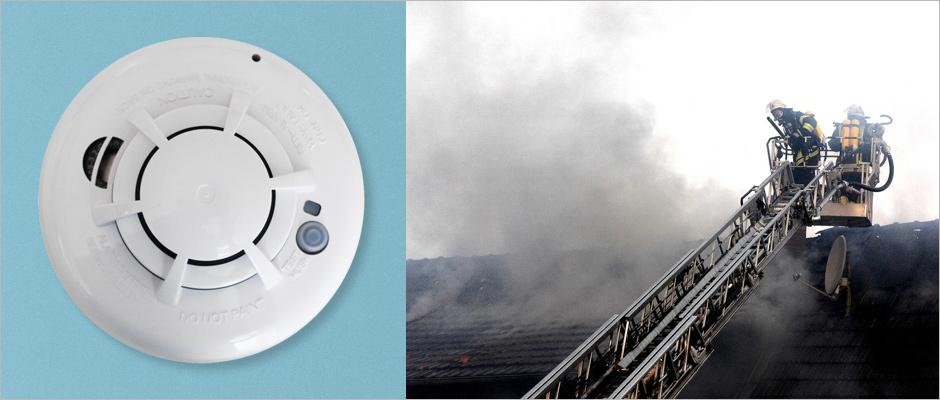

Smoke Alarm Safety Tips for the Holidays
December 02, 2015 2 min read
Smoke alarms save lives. Nearly two-thirds of home fire deaths resulted from fires in homes with no smoke alarms or no working smoke alarms. When there is a fire, smoke spreads fast and you need smoke alarms to tell you when to get to safety.
Here are some Smoke Alarm Safety Tips, courtesy of Home Controls and the National Fire Protection Agency.
• Install smoke alarms in every bedroom, outside each separate sleeping area and on every level of the home, including the basement. Interconnect all smoke alarms throughout the home. When one sounds, they all sound.
• Smoke rises; install smoke alarms following manufacturer’s instructions high on a wall or on a ceiling. Save manufacturer’s instructions for testing and maintenance.
• Test alarms at least monthly by pushing the test button.
• Replace batteries in all smoke alarms at least once a year. If an alarm “chirps”, warning the battery is low, replace the battery right away.
• Replace all smoke alarms, including alarms that use 10-year batteries and hard-wired alarms, when they are 10 year old or sooner if they do not respond properly.
• People who are hard-of-hearing or deaf can use special alarms. These alarms have strobe lights and bed shakers.
• If cooking fumes or steam sets off nuisance alarms, replace the alarm with an alarm that has a “hush” button. A “hush” button will reduce the alarm’s sensitivity for a short period of time.
• An ionization alarm with a hush button or a photoelectric alarm should be used if the alarm is within 20 feet of a cooking appliance.
• An ionization smoke alarm is generally more responsive to flaming fires, and a photoelectric smoke alarm is generally more responsive to smoldering fires. For the best protection, both types of alarms or a combination alarm (photoelectric and ionization) should be installed in homes.
• Make a home escape plan. Know all of the entry and exit points of your home, and make sure that doors and windows can open easily in case of an emergency. Practice your home fire drill every year and have an outside meeting place
Protect your home from fire with these smoke detectors provided by Home Controls. Choose from some of the most reliable brands, including Linear, Napco, First Alert and more.
Leave a comment
Comments will be approved before showing up.
Subscribe
Sign up to get the latest on sales, new releases and more …